
Mortgage rates remain elevated.
The average 30-year fixed mortgage rate is around 6.27% in mid-October.
Forecasts suggest rates won’t drop below ~6% for several years.
Implication: High borrowing costs tend to limit buyer demand, making home-ownership less affordable.
Inventory (homes for sale) is increasing, but slowly.
For the 22nd straight month, listings rose year-over-year.
Yet, new listings growth has decelerated and sales remain low.
Implication: More choices for buyers (= some leverage) but sellers are still cautious; the market is becoming more balanced.
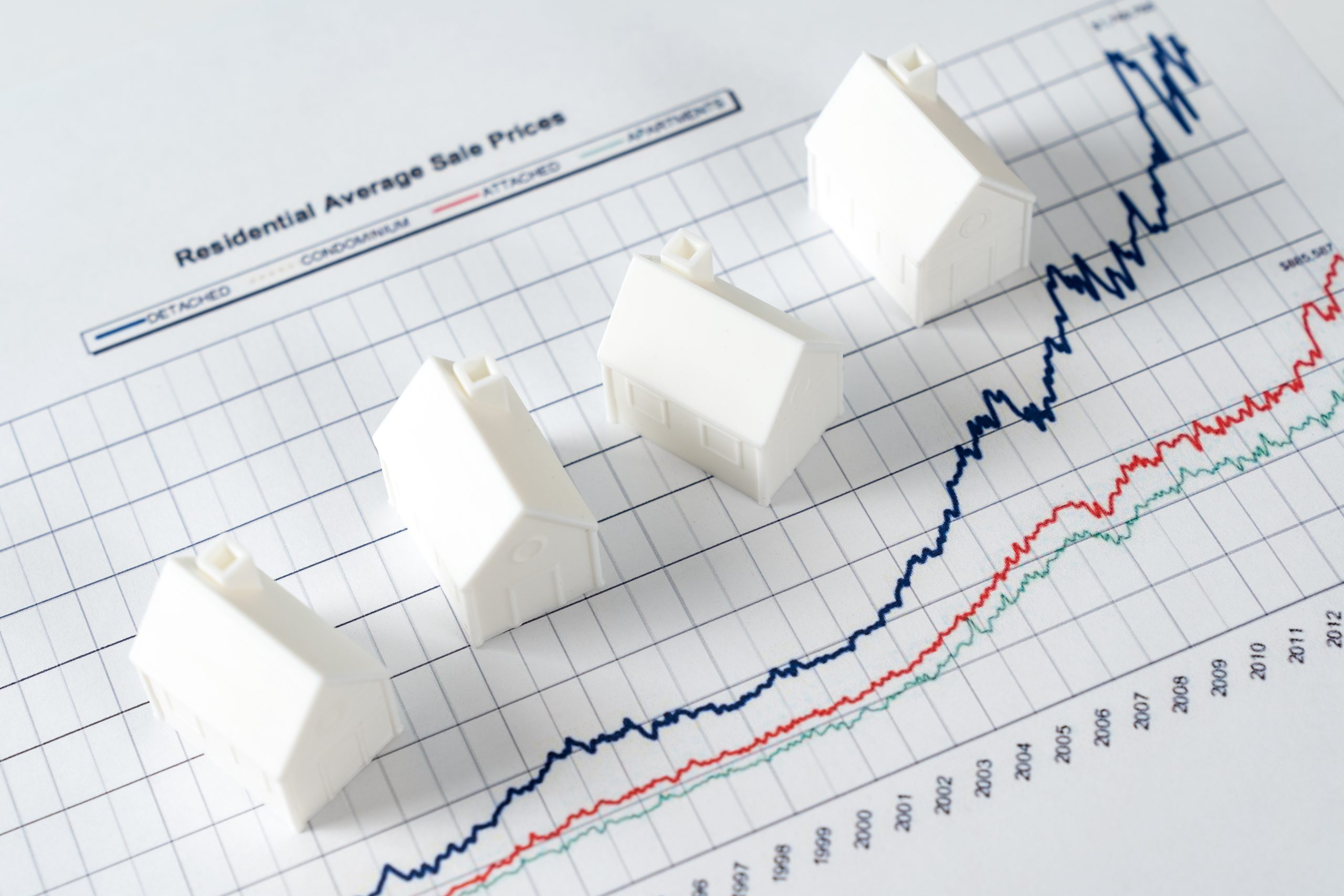
Home price growth is stalling / flattening.
According to Zillow, the national average home value rose only ~0.1% over the past year.
Some forecasts expect slight declines or very modest gains in many markets.
Implication: After the rapid increases of past years, price momentum is fading. Buyers may be able to negotiate more.
Affordability remains a major constraint.
Even though price growth is slowing, high rates plus past appreciation mean many buyers face stretched budgets.
Meanwhile, there’s a large gap between sellers and buyers: one report noted sellers outnumber buyers by ~500K nationally.
Implication: Demand is weak relative to supply in many places. Sellers who are motivated may need to adjust expectations.
Regional variation is significant.
Some markets (especially those that boomed during the pandemic) are already seeing price declines.
In other regions with tight supply and steady demand, things remain stronger.
Implication: “One-size fits all” statements don’t work. Location, local economic conditions, inventory, etc., matter a lot.
Market timing windows shifting.
One analysis suggests the “best week” to buy in 2025 started around October 12 for many metros, due to more listings + less competition.
Implication: Buyers who are ready and in a favorable location could make advantageous moves now, though local conditions vary.
🧐 What to watch / risks
If interest rates remain high (or even go up), affordability will worsen and buyer demand may stay weak.
If the economy weakens (jobs, wages), that could further dampen housing demand.
If inventory continues to accumulate, that could put downward pressure on prices in certain markets.
Local policy shifts (zoning, subsidies, tax incentives) may shake things up regionally.
🔍 Summary view
Overall, the U.S. housing market in late 2025 is cooling compared to the frenzied pace of the pandemic years. It is moving closer to a more balanced market rather than a clear seller’s-market. For buyers, this means more options and somewhat better negotiating power. For sellers, it means less guarantee of multiple offers or rapid price increases.